Meta’s Muse Charm resembles a Tamagotchi but aligns with a more recent AI trend
The device targets Gen Z with its playful design, drawing comparisons to past AI hardware failures. It has already attracted significant interest online.
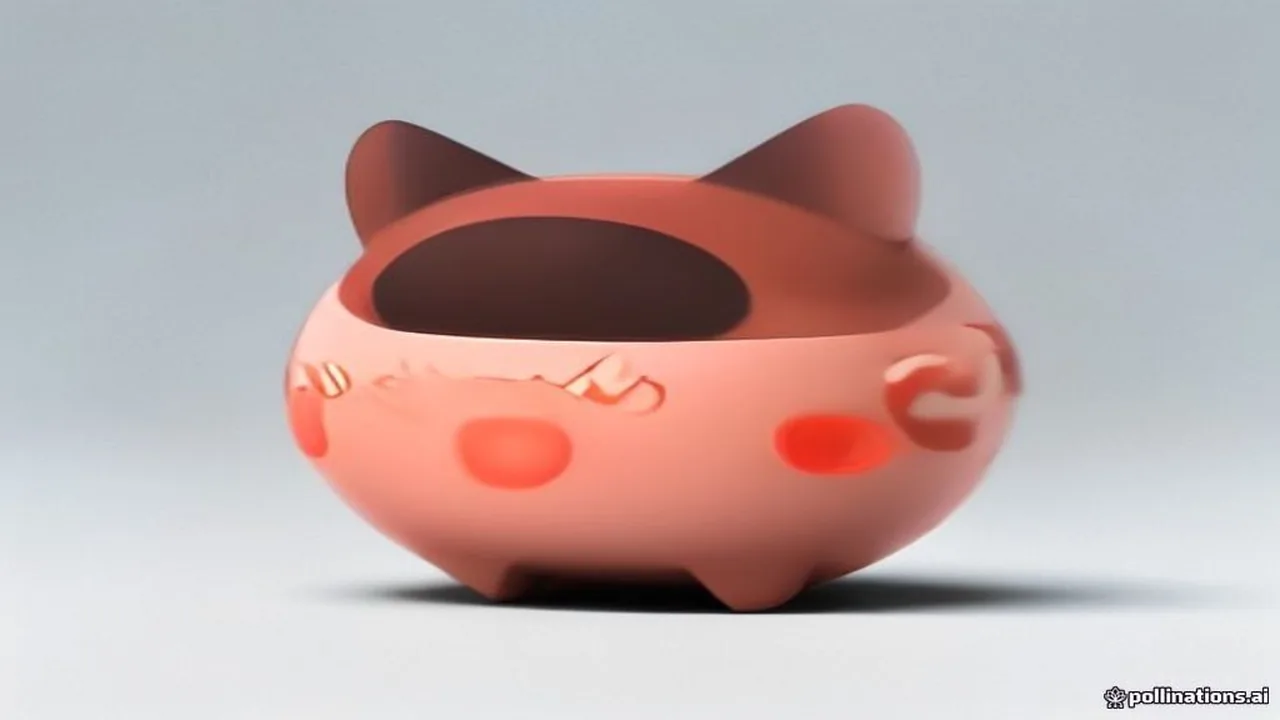
Meta’s Muse Charm, a wearable AI device, has been unveiled as a novel attempt to make artificial intelligence more accessible and engaging for everyday users. Its design, reminiscent of the Tamagotchi, a classic virtual pet from the 1990s, suggests a deliberate effort to tap into nostalgia while embracing modern AI capabilities. This move positions the Muse Charm as a potential bridge between older and newer generations of AI interaction, though its success remains uncertain given the history of similar devices failing to gain traction.
The Muse Charm is part of Meta’s broader strategy to expand its presence in the AI hardware market. It is closely tied to the company’s Muse AI agent, which is designed to assist users with various tasks. The device’s form factor and functionality are intended to appeal to younger audiences, particularly Gen Z, who are often early adopters of new technology. However, the device also faces challenges, including competition from established players like Apple and Google, who have their own AI-powered wearables.
The Muse Charm has already generated significant online interest. Within a short period, it attracted over two million visitors and 100,000 stars on GitHub, sparking enthusiasm among developers and users alike. This level of engagement suggests that the device has the potential to become a popular tool for running AI agents, although it remains to be seen whether this interest will translate into sustained adoption.
The introduction of the Muse Charm could have broader implications for the AI hardware market. It may increase competition among tech companies, potentially driving down prices and improving features for consumers. However, it also raises concerns about vendor lock-in, as users may become dependent on Meta’s ecosystem. Additionally, the device’s success could influence regulatory scrutiny, particularly from agencies like the FTC, which may seek to ensure that AI-powered wearables are transparent and secure.
As the Muse Charm enters the market, its impact will depend on how well it meets user expectations and differentiates itself from existing products. While it has the potential to redefine how people interact with AI, it must overcome past failures and address concerns about usability, privacy, and long-term value. The device’s success could set a new standard for AI wearables or serve as a cautionary tale for other companies entering the space.