BAE Systems Bofors drone uses Nvidia Jetson Orin Nano to autonomously select and strike targets
The system operates without human input or external communication. The demo took place in Sweden under -18 degrees Celsius conditions. The mission completed in under 320 seconds.
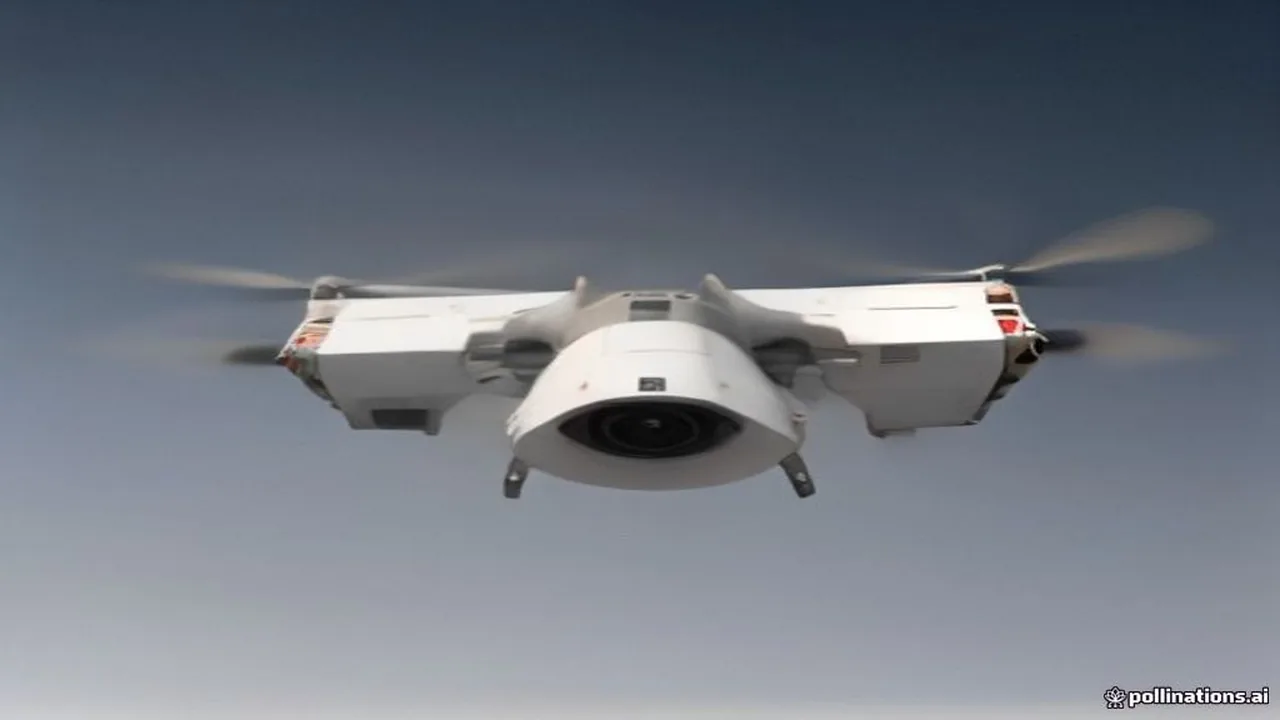
BAE Systems Bofors has demonstrated a drone capable of autonomously selecting and striking targets using the Nvidia Jetson Orin Nano. The system runs a small AI model that identifies and attacks targets without human intervention or external communication. This capability was showcased in a recent demo under challenging environmental conditions, including temperatures as low as -18 degrees Celsius.
The demonstration, part of BAE’s Winter Demo 2026, involved the drone detecting and geolocating targets before autonomously flying to an armored engineering vehicle and dropping an explosive. The mission was conducted under human-set parameters, with the full operation completed in under 320 seconds. The system used the YOLOv8 Nano model for real-time target recognition and decision-making.
The drone's onboard edge intelligence, powered by the Nvidia Jetson Orin Nano, enables it to process data locally without relying on external networks. This reduces latency and enhances operational security. The system's ability to function in extreme cold and without external communication highlights its potential for use in remote or contested environments.
The deployment of autonomous strike drones raises questions about cost, vendor lock-in, and governance. The reliance on proprietary AI models and hardware could increase dependency on specific suppliers, potentially limiting flexibility. Market reactions may vary, with some stakeholders concerned about ethical implications and others viewing the technology as a strategic advantage.
As the technology advances, the balance between operational efficiency and ethical considerations will become increasingly critical. The integration of AI into military systems demands careful oversight to ensure compliance with international norms and minimize unintended consequences. The long-term impact on defense strategies and global security dynamics remains to be seen.