Russian freelancers use Claude to program autonomous combat drone swarm with AI-enabled targeting
The development occurred in 2026, according to a report by Tom’s Hardware. The use of Claude for such advanced military applications raises concerns about AI's role in warfare.
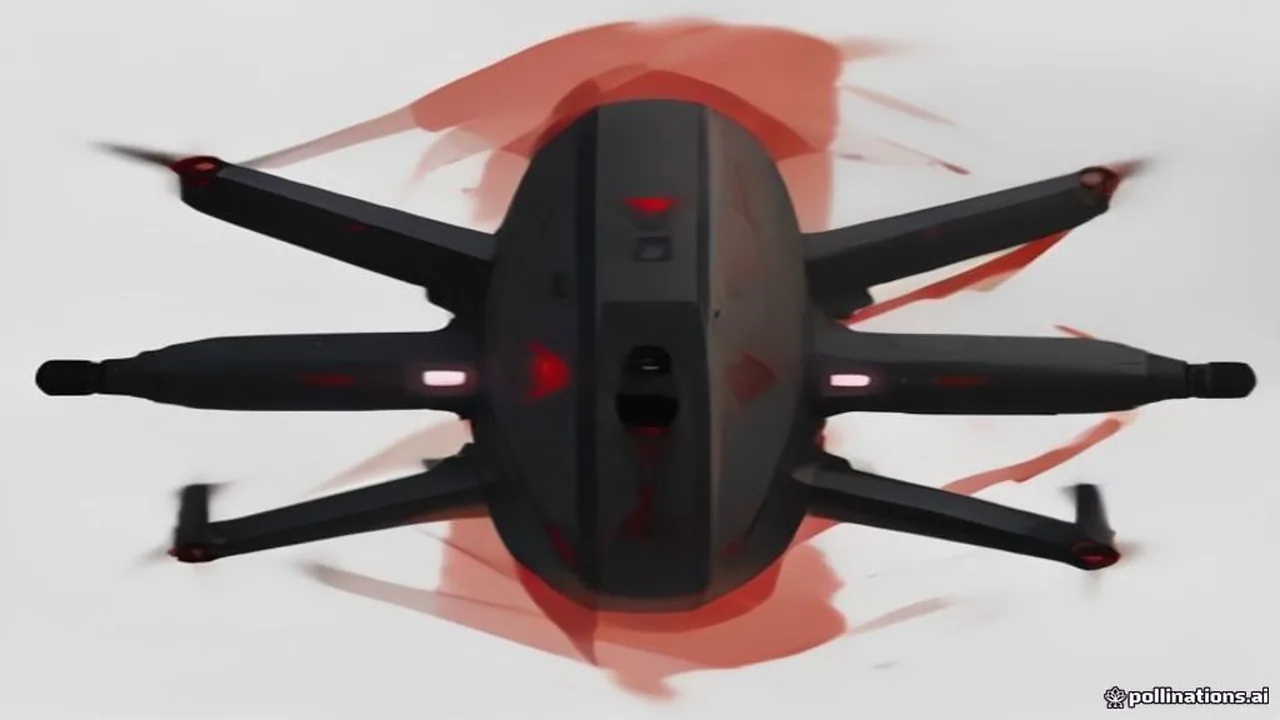
Russian freelancers have reportedly used Claude, an AI model developed by Anthropic, to program autonomous combat drone swarms capable of AI-enabled target selection and detonation without human intervention. This marks a significant shift in the use of AI in military operations, as the technology enables autonomous decision-making in combat scenarios. The report highlights the growing reliance on AI in military applications, particularly in regions facing economic and technological constraints.
The use of Claude in this context is part of a broader trend where Russia-linked agents are leveraging foreign advanced technologies to compensate for domestic limitations. According to a 2026 report, these agents have used Claude for a range of activities, including propaganda, espionage, and the procurement of military equipment. This indicates a strategic shift in how Russia is approaching technological development and warfare.
In 2026, the report noted that Russia-linked agents have used Claude for a broad range of activities, from propaganda and espionage to the procurement of military/dual-use equipment and the development of autonomous drone swarms. This highlights the increasing integration of AI into various aspects of military operations, including the targeting and detonation of drones. The report also mentions that older models such as Claude Opus 4 and Sonnet 4.5 were found to be below the threshold for assisting sophisticated biological research, but newer models may have different capabilities.
The use of AI in autonomous military systems raises significant concerns regarding cost, vendor lock-in, and governance. As AI becomes more integrated into military operations, questions arise about the financial implications of relying on foreign technologies, the risks of becoming dependent on a single vendor, and the challenges of regulating AI in warfare. These factors could influence market reactions and the broader adoption of AI in military contexts.
The development of autonomous combat drone swarms using AI like Claude underscores the evolving nature of warfare and the increasing role of AI in military applications. As these technologies continue to advance, their implications for global security, governance, and the ethical use of AI in warfare will need to be carefully considered. The report serves as a reminder of the potential risks and challenges associated with the integration of AI into military systems.