TechCrunch Disrupt 2026 introduces a new Real World AI Stage with Nvidia, robots, and extinct animals
The event expands its AI focus to include physical applications and collaborations with companies like Nvidia. The Real World AI Stage runs from October 13 to 15 at San Francisco’s Moscone West.
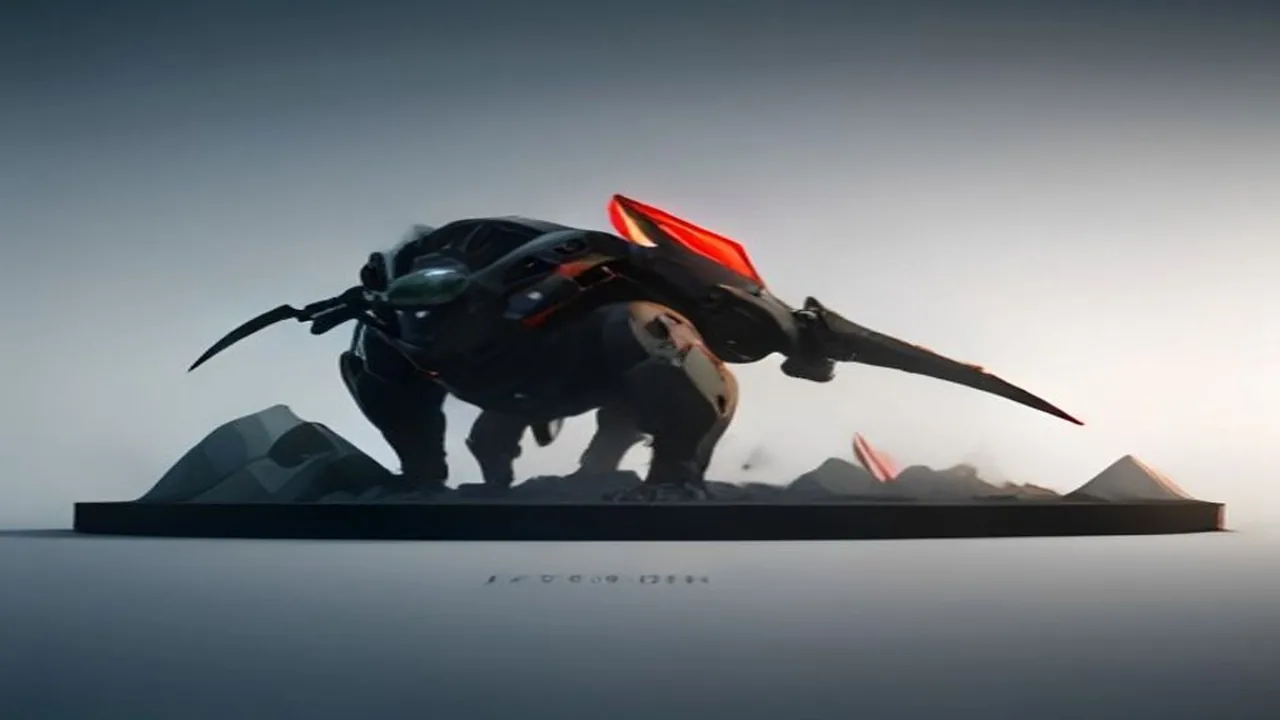
TechCrunch Disrupt 2026 is introducing a new Real World AI Stage, expanding its focus on artificial intelligence to include physical applications and collaborations with companies like Nvidia. This addition reflects the growing integration of AI into tangible, real-world systems, such as robotics and biotechnology. The stage will feature discussions on how AI is being applied beyond traditional software and into areas like robotics, autonomous systems, and even the revival of extinct species through advanced biological engineering.
The Real World AI Stage is part of TechCrunch’s broader effort to highlight the evolving landscape of AI and its impact on various industries. This year, the event is emphasizing the intersection of AI with physical systems, showcasing innovations that go beyond theoretical models and into practical implementation. The stage will host sessions on topics ranging from AI-driven robotics to the ethical implications of using AI in biological restoration projects, such as those involving extinct animals.
The event takes place from October 13 to 15 at San Francisco’s Moscone West, with the Real World AI Stage being a key component of the conference. This new stage is designed to provide a dedicated space for exploring the real-world applications of AI, including its role in robotics, autonomous systems, and biotechnology. The inclusion of companies like Nvidia and projects involving extinct animals highlights the diverse and rapidly expanding scope of AI applications.
The introduction of the Real World AI Stage is expected to have significant consequences for the AI industry, influencing investment trends, research directions, and the development of new technologies. Companies and researchers may shift their focus toward practical AI applications, leading to increased collaboration between AI developers and industries such as robotics and biotechnology. Additionally, the stage may serve as a catalyst for new partnerships and innovations, as stakeholders seek to explore the potential of AI in tangible, real-world scenarios.
As the Real World AI Stage gains traction, it may reshape how AI is perceived and implemented across various sectors. The stage could serve as a platform for showcasing cutting-edge AI applications, fostering discussions on ethical considerations, and highlighting the potential of AI to drive innovation in fields like robotics and biotechnology. This expansion of AI’s role in physical systems may also influence regulatory frameworks and industry standards, as stakeholders work to address the challenges and opportunities presented by these developments.