The U.S. is building barriers around drones and robots, but China has scale to get around them
New restrictions and tariffs on imported drones and robotic systems are being implemented in the U.S., while China continues to expand its manufacturing capabilities in these areas.
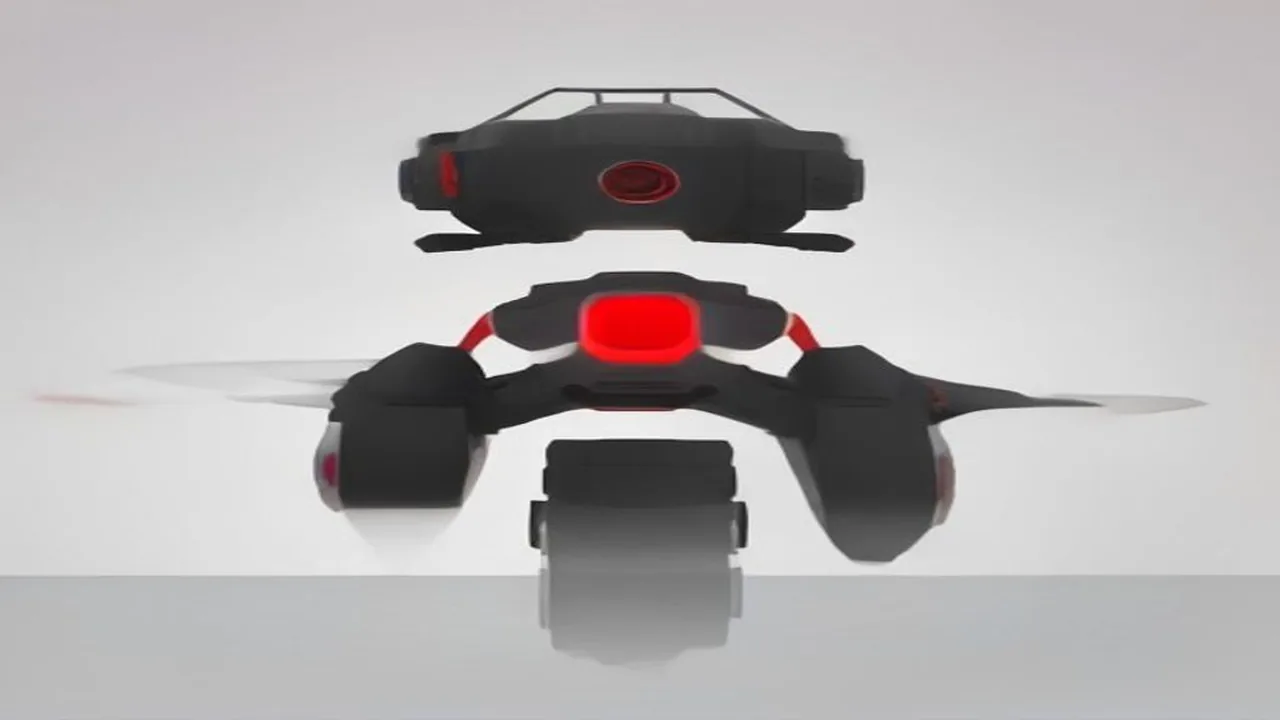
The United States has introduced new restrictions and tariffs on foreign-made drones and robotic systems, citing national security concerns. These measures, implemented in July and August, aim to limit the import of advanced robotic systems and impose steep tariffs on drones and their components.
The U.S. has long been a leader in frontier AI, software, and semiconductor innovation. However, these new restrictions may hinder the flow of advanced technology, potentially impacting industries reliant on foreign-made drones and robotic systems.
According to a report, the U.S. has imposed tariffs on imported drones and their components, with the restrictions taking effect in 2026. These measures are part of a broader strategy to bolster national security and strengthen supply chains within the country.
The consequences of these restrictions may include increased costs for manufacturers and potential delays in the deployment of advanced robotic systems. Companies may face challenges related to vendor lock-in, governance, and market reactions as they navigate these new regulatory landscapes.
While the U.S. continues to lead in AI and semiconductor innovation, China's scale and manufacturing capabilities provide it with an advantage in circumventing these barriers. The long-term impact of these restrictions on global supply chains and technological development remains to be seen.