Nvidia Jetson chip found in Russian cruise missile, Ukraine claims — presence in S-71 'Monochrome' weapon may indicate use of AI tech
Ukraine alleges the S-71 'Monochrome' missile contains Nvidia Jetson Orin modules, suggesting AI integration. The claim raises questions about export controls and AI's role in modern warfare.
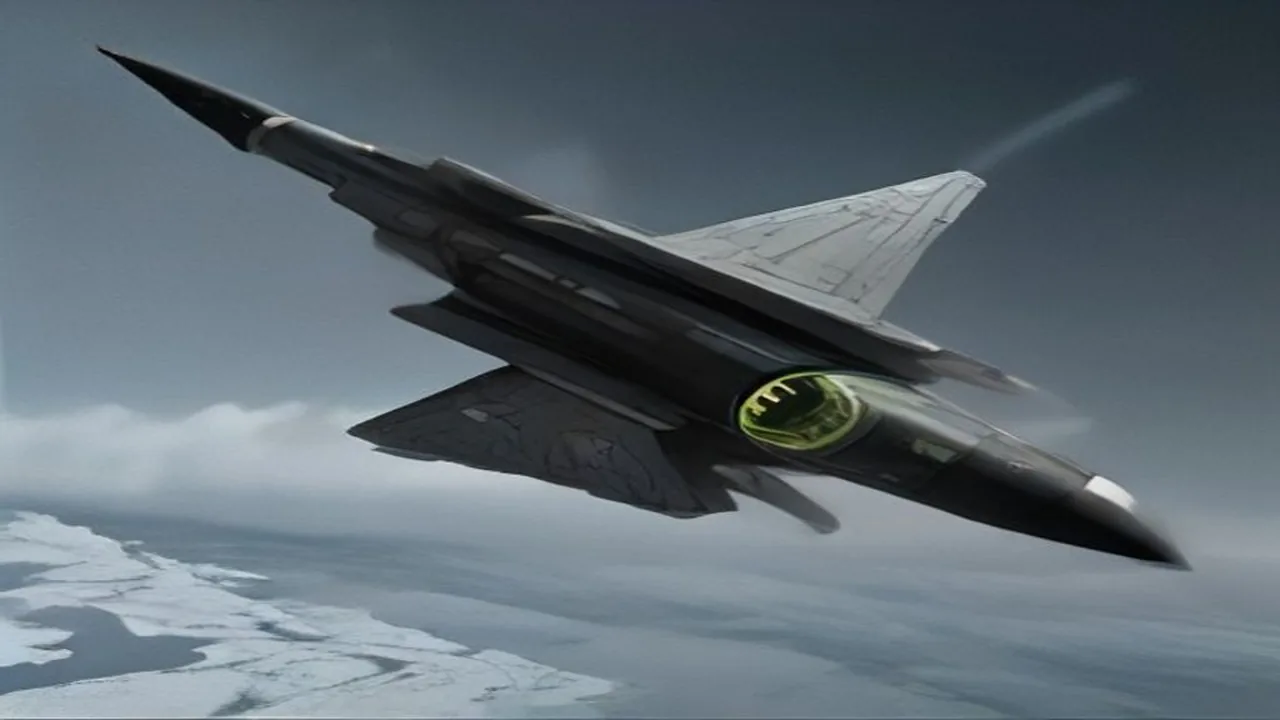
Ukraine has claimed that Russia's S-71 'Monochrome' cruise missile contains Nvidia Jetson Orin modules, which are AI-capable chips. This discovery suggests that the weapon may incorporate artificial intelligence technology, potentially enhancing its targeting and operational capabilities. The presence of such hardware in a military-grade system raises concerns about the use of consumer-grade AI accelerators in defense applications.
The S-71 'Monochrome' is a next-generation cruise missile developed by Russia, known for its reduced radar signature and autonomous targeting features. According to reports, the missile may be equipped with Nvidia's Jetson Orin modules, which are designed for edge computing and AI inference. These modules are typically used in consumer and industrial applications, but their use in a military context could signal a shift in how AI technology is being deployed in defense systems.
Nvidia has stated that its Jetson Orin modules are consumer-grade products sold to students, developers, and startups for a variety of beneficial applications. However, the use of these modules in a military-grade weapon like the S-71 'Monochrome' raises questions about export controls and the potential for such technology to be repurposed for defense. The company has emphasized that its AI accelerators are not inherently restricted, but hardware capable of running AI models locally may be subject to export regulations.
The integration of AI technology into military systems could have significant implications for cost, vendor lock-in, and governance. As AI becomes more embedded in defense applications, the reliance on specific hardware and software ecosystems may increase, potentially leading to higher costs and greater dependency on a limited number of technology providers. Additionally, the use of AI in weapons systems may raise ethical and regulatory concerns, particularly regarding accountability and control.
The discovery of Nvidia Jetson modules in the S-71 'Monochrome' missile underscores the growing intersection of AI and military technology. As AI continues to evolve, its applications in defense systems may expand, raising important questions about security, regulation, and the balance between innovation and control. The implications of this development will likely be felt across the technology and defense industries in the coming years.