Modder attaches two desktop CPU coolers to ZTE handset, transforming smartphone into a gaming PC
The ZTE Nubia Z70 Ultra runs The Witcher 3 at 1080p ultra with a Snapdragon 8 Elite SoC and 24GB of RAM. The setup uses Linux and supports PC games locally.
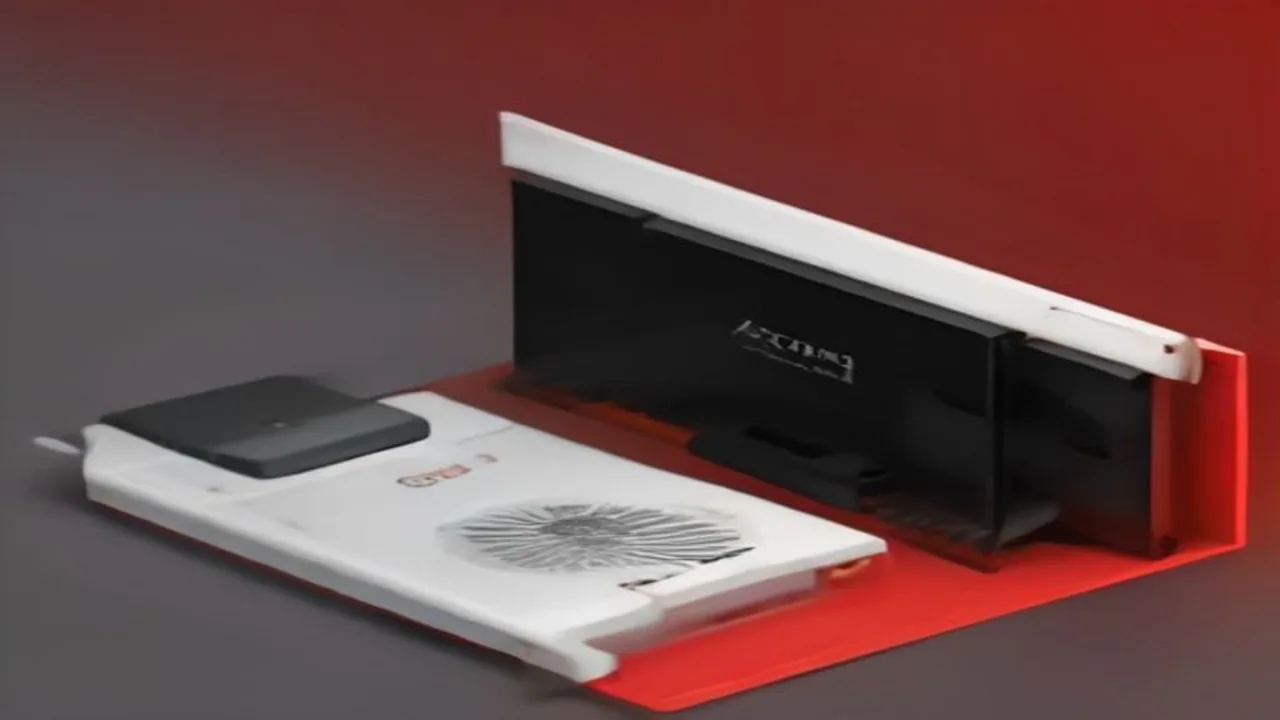
A modder has successfully attached two desktop CPU coolers to a ZTE Nubia Z70 Ultra handset, effectively turning a smartphone into a gaming PC. This project leverages the Snapdragon 8 Elite SoC and 24GB of RAM to run The Witcher 3 at 1080p ultra resolution, demonstrating the potential of mobile hardware when augmented with additional cooling solutions.
The initiative began with a straightforward concept, as noted by Tom, who highlighted the simplicity of the idea. The ZTE Nubia Z70 Ultra, powered by the Snapdragon 8 Elite, runs Linux and supports local execution of PC games. This setup showcases the flexibility of modern smartphones, which can be adapted for high-performance computing tasks beyond their typical mobile use cases.
The project involved integrating two desktop-grade CPU coolers to manage the heat generated by the Snapdragon 8 Elite SoC during intensive gaming sessions. This modification allowed the smartphone to maintain stable performance while running The Witcher 3 at 1080p ultra, a feat typically associated with dedicated gaming PCs. The use of Linux and the GameNative framework further enabled the system to support a wide range of PC games.
Such modifications highlight the potential for mobile devices to rival traditional PCs in performance when equipped with appropriate cooling and software support. However, the cost and complexity of these upgrades may limit their practicality for most users. Additionally, the reliance on third-party cooling solutions and specialized software raises concerns about vendor lock-in and long-term support.
Despite these challenges, the project underscores the growing capabilities of mobile hardware and the innovative ways in which users can push the boundaries of what smartphones can achieve. As mobile processors continue to evolve, similar experiments may become more common, potentially reshaping the landscape of portable computing.