Nvidia's RTX 5080 fails to outperform the previous-gen flagship, marking a historic shift in GPU performance trends
The RTX 5080 is the first 80-class GPU in Nvidia's history to not surpass the last-generation flagship. This highlights a significant change in how performance improvements are measured in the GPU market.
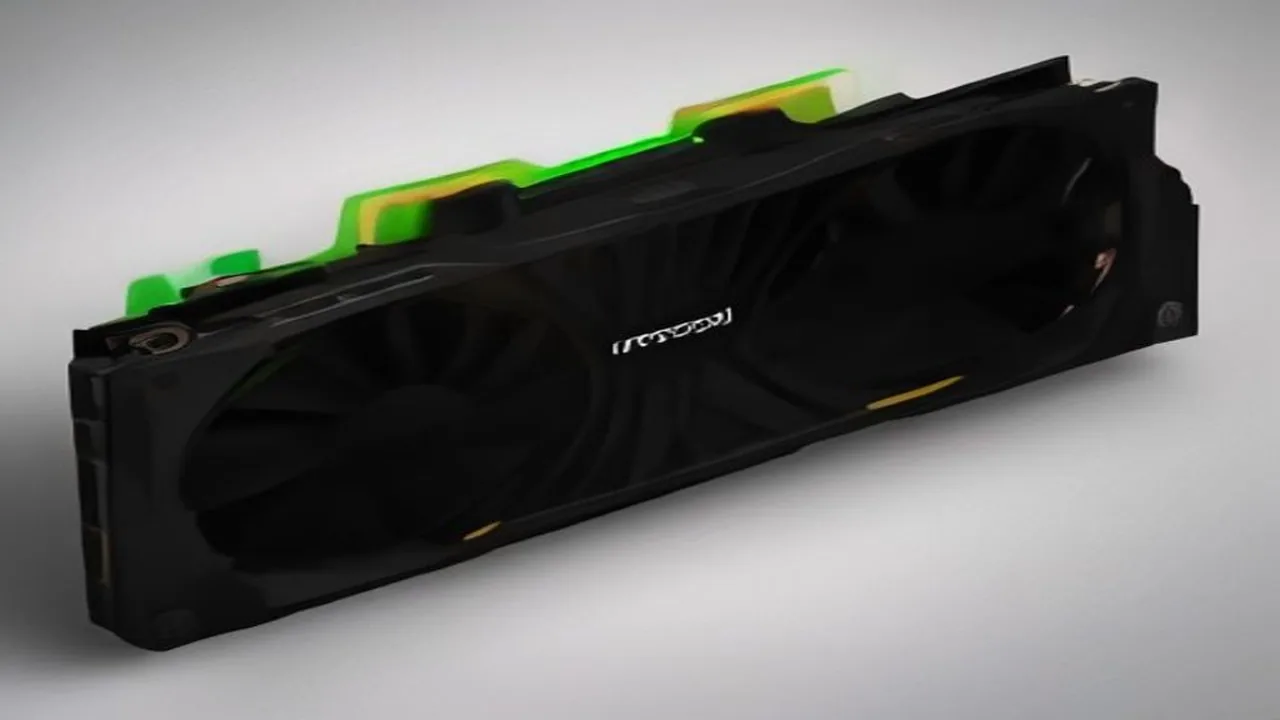
Nvidia's RTX 5080 has become the first 80-class GPU in the company's history to fail in outperforming the previous-generation flagship. This marks a notable departure from past trends, where each new 80-class GPU typically delivered a performance leap over its predecessor. The RTX 4090, for example, was widely regarded as a benchmark for performance and innovation, setting a high bar that the RTX 5080 has not met. This shift raises questions about the trajectory of GPU development and whether the industry is entering a new phase of incremental improvements rather than major leaps.
Historically, 80-class GPUs have been the most anticipated releases in Nvidia's lineup, offering last-generation flagship performance at a more accessible price point. The RTX 4090 was no exception, delivering a significant boost in performance and features that set a new standard for gamers and professionals alike. However, the RTX 5080's inability to surpass the RTX 4090's capabilities suggests a potential slowdown in the pace of innovation. This could be due to a variety of factors, including technological limitations or a strategic shift in Nvidia's product development approach.
The RTX 5080's performance relative to the RTX 4090 is a key indicator of the changing landscape in GPU manufacturing. While the 80-class cards have traditionally represented a step up in performance from the 90-class models, the RTX 5080's failure to outperform the RTX 4090 indicates that the gap between generations is narrowing. This could be a result of diminishing returns on semiconductor advancements or a deliberate move by Nvidia to focus on other areas of development, such as ray tracing or AI capabilities, rather than raw performance gains.
The implications of this shift in performance trends are significant for both consumers and the industry at large. For consumers, the lack of a clear performance leap may lead to hesitation in upgrading to the RTX 5080, especially given the high price point of nearly $2,000. This could result in increased demand for the previous-generation flagship, extending its market relevance. For the industry, this signals a potential move toward more incremental improvements, which may affect how companies approach product development and marketing strategies.
As the market adjusts to this new reality, the focus may shift from raw performance to other aspects of GPU design, such as power efficiency, cooling solutions, and software optimization. This could lead to a more balanced approach in product development, where companies prioritize sustainability and user experience alongside performance. The long-term impact of this trend remains to be seen, but it is clear that the expectations for each new GPU release are evolving in response to changing consumer needs and technological constraints.