SpaceX's near-term AI payoff seen tethered to Earth, not outer space
Analysts predict SpaceX's AI-related revenue will grow significantly through terrestrial infrastructure, with major deals expected to generate over $28 billion annually by 2029. The company's focus remains on expanding data center capacity rather than orbital computing in the near term.
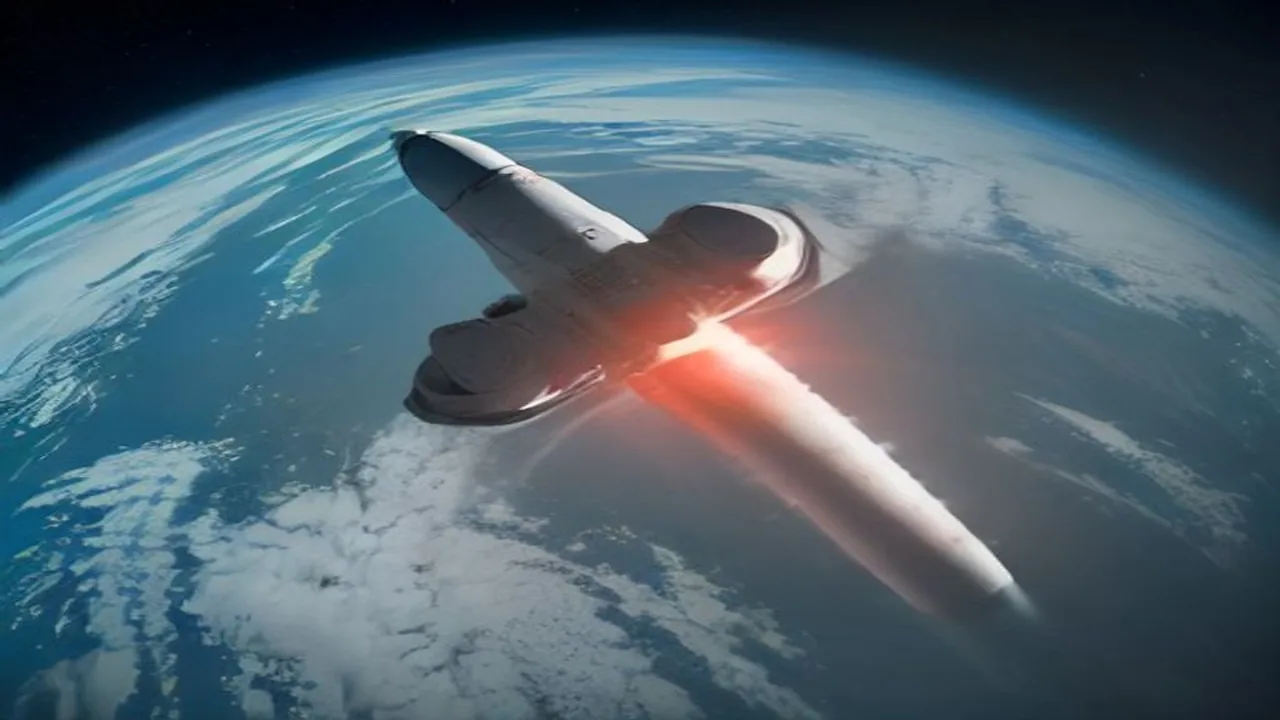
SpaceX's near-term AI payoff is firmly rooted in terrestrial infrastructure rather than orbital ambitions, according to Wall Street analysts. The company's focus on expanding data center capacity is expected to drive significant revenue growth, with major contracts already in place with key players in the AI industry.
The AI boom is creating a surge in demand for computing power, and infrastructure providers are among the biggest beneficiaries. Businesses and consumers are rapidly adopting AI for a wide range of applications, from software coding and robotics to everyday tasks like shopping and planning.
J.P. Morgan expects SpaceX to expand its terrestrial AI compute capacity to about 9 gigawatts by 2029, which would be equivalent to four times the power of the largest data centers currently in operation. This expansion is expected to be a major driver of revenue growth for the company.
The shift toward AI-driven computing is reshaping the market, with significant implications for cost structures, vendor lock-in, and governance frameworks. Companies are increasingly relying on cloud-based solutions, which can lead to increased dependency on a few major providers and raise concerns about data security and regulatory compliance.
Beyond 2029, SpaceX is expected to pivot toward orbital compute for incremental capacity additions, but the immediate focus remains on terrestrial infrastructure. This strategy is likely to continue generating substantial revenue, with deals already in place expected to generate more than $28 billion annually.