AI servers will consume more power than all conventional data center hardware combined by 2027, Gartner forecasts
Global data center electricity use is projected to rise 26% this year. Consumption will reach 565 terawatt-hours in 2026 and surpass 1,200 TWh by 2030.
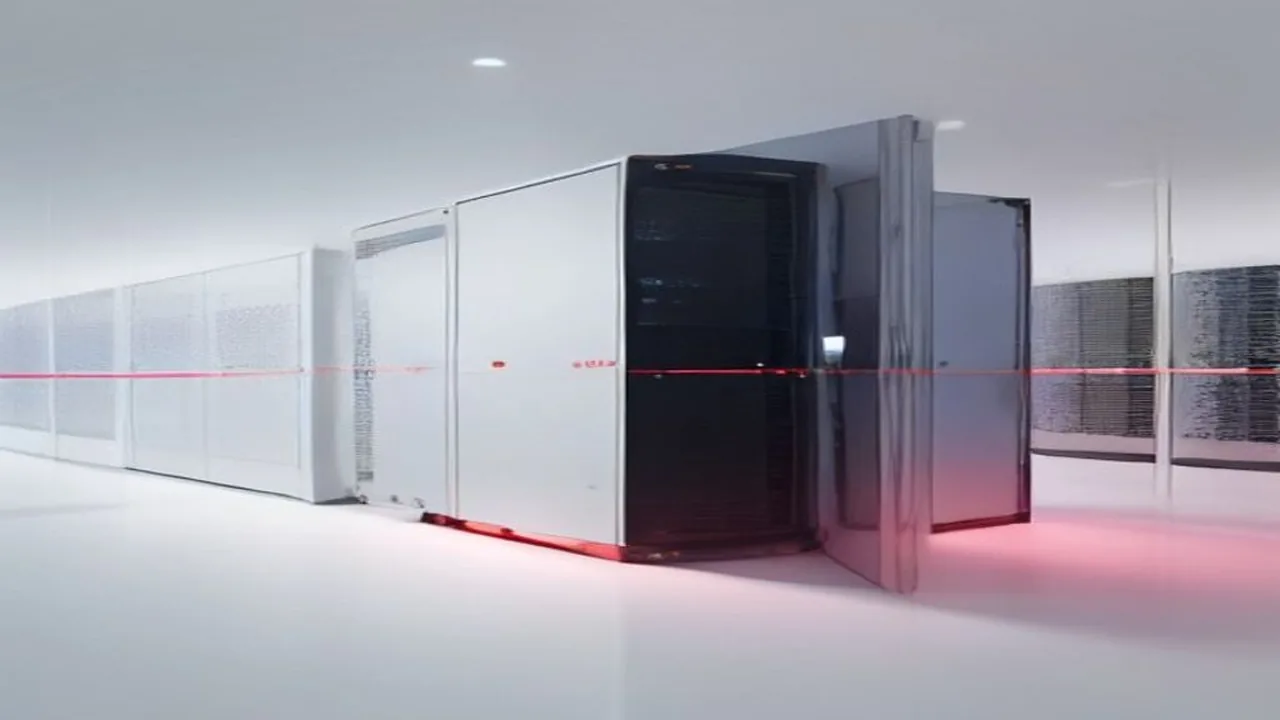
Gartner forecasts that AI servers will consume more power than all conventional data center hardware combined by 2027. This projection highlights a significant shift in energy demand driven by the rapid expansion of artificial intelligence infrastructure. The growing reliance on AI technologies is expected to place pressure on global energy systems, particularly in data centers that support these operations.
The increase in energy consumption is not limited to AI servers alone. Conventional data center hardware is also expected to see a rise in power usage, contributing to an overall surge in electricity demand. Gartner’s analysis indicates that the global data center electricity consumption will grow by 26% this year, signaling a sharp upward trend in energy requirements across the sector.
By 2026, global data center electricity use is projected to reach 565 terawatt-hours, according to Gartner. This figure is expected to climb further, surpassing 1,200 terawatt-hours by 2030. These numbers underscore the growth in energy consumption as data centers scale to meet the demands of AI and other high-performance computing applications.
The rising energy demands of AI and data centers will have implications for infrastructure, cost, and sustainability. Increased power consumption may lead to higher operational costs, greater reliance on energy-efficient technologies, and challenges in managing heat and power distribution. Additionally, the sector may face scrutiny over environmental impact and the need for sustainable energy solutions.
As data centers expand to accommodate AI workloads, the industry will need to address issues such as energy efficiency, vendor lock-in, and governance frameworks. Market players may need to invest in renewable energy sources, optimize cooling systems, and adopt modular designs to manage the growing power demands. These developments could shape the future of data center operations and influence broader trends in technology infrastructure.