Meta's Muse Image Uses Content From Public Instagram Accounts for AI-Generated Images
The tool ranks second on Image Arena behind OpenAI's GPT Image 2. It will power 30 new AI effects for Instagram Stories and enable image generation in WhatsApp chats.
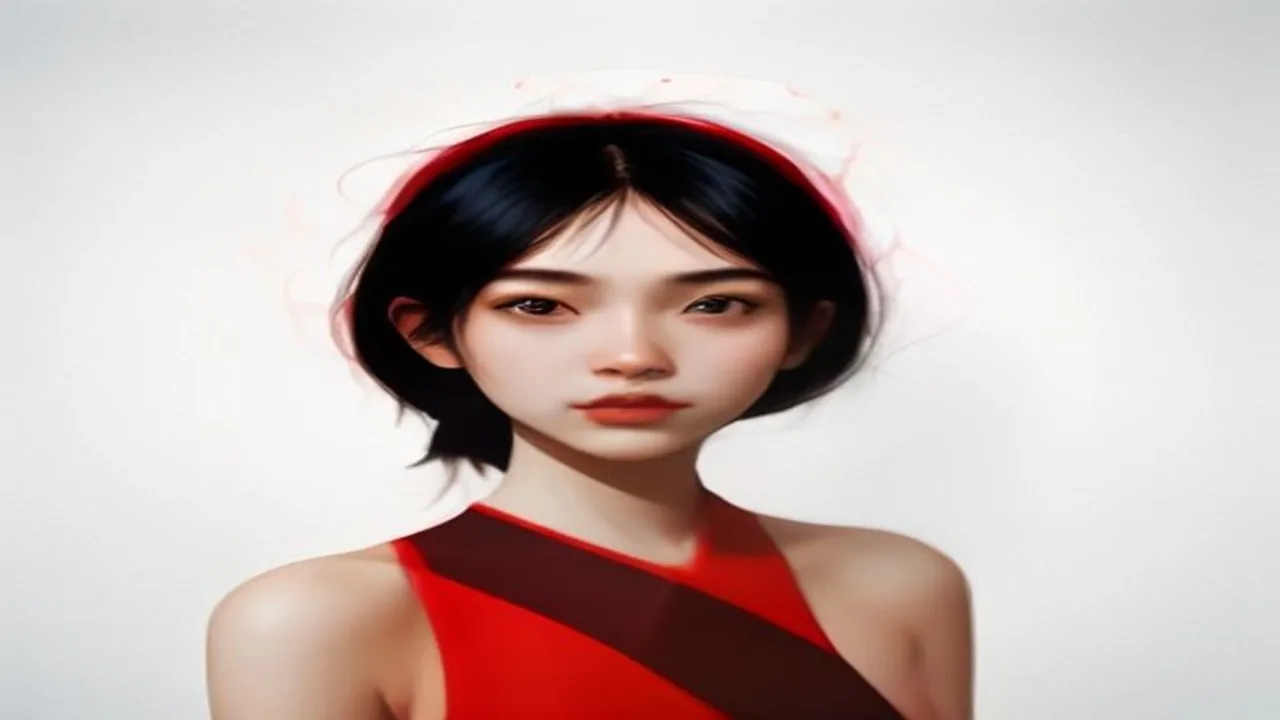
Meta has launched Muse Image, its first image-generation model developed by Meta Superintelligence Labs, as part of its broader push to integrate generative AI across its platforms. The model is designed to function as an agent, leveraging external tools such as web search to refine its outputs automatically. This capability positions Muse Image as a competitive alternative to existing models, though it trails behind OpenAI's GPT Image 2 in performance metrics on the Image Arena platform.
Muse Image is being introduced alongside Muse Video, a preview of Meta's video-generation capabilities. The model's rollout includes integration with Instagram Stories, where it will power more than 30 new AI effects. These effects are expected to enhance user interaction and creativity on the platform. Additionally, Muse Image will enable image generation in direct chats with Meta AI on WhatsApp, initially available in select countries.
According to available data, Muse Image ranks second on the Image Arena evaluation platform, following OpenAI's GPT Image 2. It outperforms other models such as Nano Banana and Grok Imagine in human preference scores for text-to-image generation and multi-image editing. This performance places Muse Image in a strong position within the competitive landscape of AI image generation tools.
The use of public Instagram content to train Muse Image raises questions about user consent and data privacy. While Meta has not provided detailed information on how it handles user data, the integration of AI-generated images into core platforms like Instagram and WhatsApp could influence user behavior and expectations. Companies leveraging such tools may face challenges related to governance, transparency, and the potential for vendor lock-in as they rely more heavily on Meta's AI infrastructure.
As Muse Image becomes more widely available, its impact on the broader AI ecosystem will likely grow. The model's integration into Meta's platforms could drive adoption of AI-generated content, but it may also prompt scrutiny over data usage practices. Businesses and developers will need to carefully consider the implications of relying on AI tools that depend on public user data, balancing innovation with ethical and regulatory considerations.
Sources
- https://economictimes.indiatimes.com/tech/technology/meta-expands-generative-ai-tools-with-muse-image-rollout/articleshow/132246143.cms
- https://the-decoder.com/muse-image-is-technically-impressive-but-metas-use-of-instagram-photos-raises-questions/
- https://www.gadgets360.com/ai/news/meta-muse-image-ai-image-generation-public-instagram-posts-11743717
- https://www.thehindu.com/sci-tech/technology/meta-expands-generative-ai-tools-with-muse-image-rollout/article71196482.ece