Intel patent reveals new XBM memory architecture that ditches HBM's costly silicon interposer
The design uses a DRAM stack with UCIe links and built-in repair, addressing AI's memory bottleneck. No further development has been indicated since the patent was filed 18 months ago.
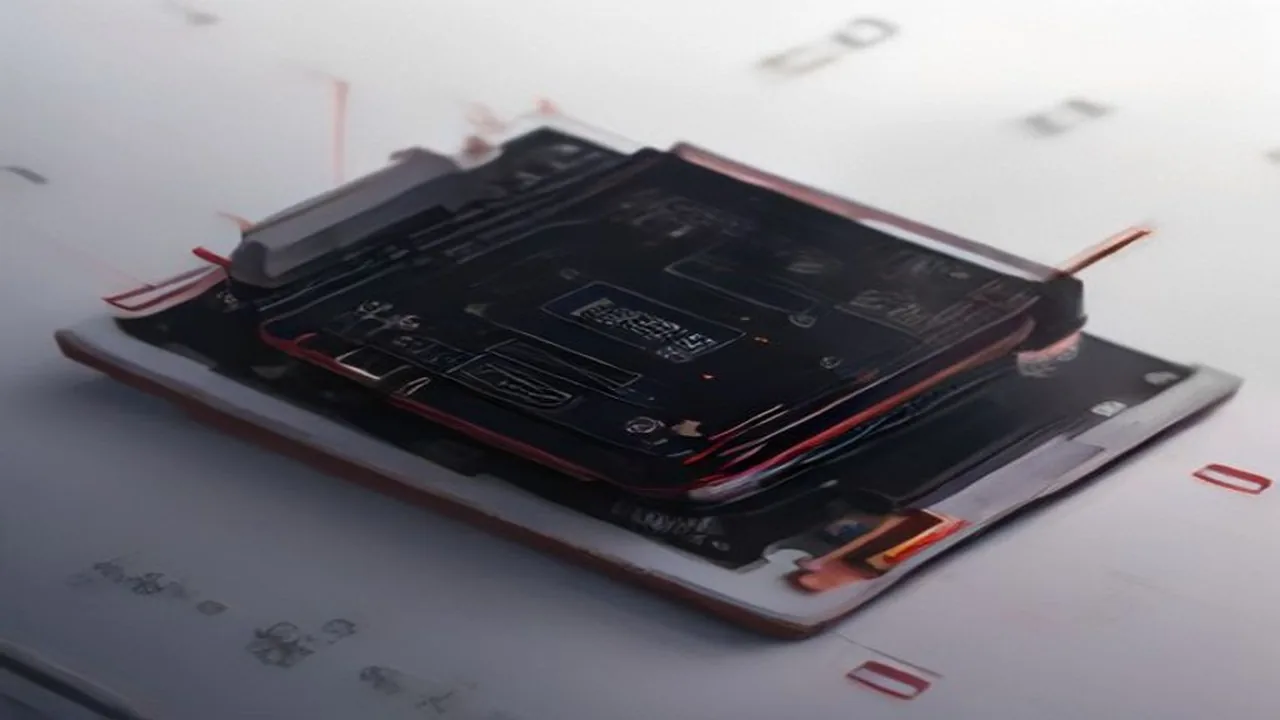
Intel has unveiled a new memory architecture through a patent application, proposing a shift from traditional High Bandwidth Memory (HBM) to a novel XBM design. This architecture eliminates the need for HBM's costly silicon interposer by utilizing a backend-transistor DRAM stack. The innovation incorporates Universal Chiplet Interconnect Express (UCIe) links and built-in self-repair mechanisms, aiming to alleviate the memory bottleneck that has long hindered AI performance.
The patent, filed 18 months ago, outlines a method where the 1T1C cell is moved into the back-end-of-line, allowing for a metal-and-via stack above the transistor layer. This approach leverages thin-film transistors to enhance memory density and efficiency. The design is intended to reduce manufacturing complexity and cost, while improving scalability for high-performance computing applications.
The XBM architecture introduces a significant departure from conventional HBM by integrating UCIe links, which enable faster data transfer between memory components. This is complemented by built-in self-repair (BISR) technology, which automatically detects and corrects faults in the memory array. These features collectively aim to enhance reliability and performance, making the architecture particularly suitable for AI workloads that demand high bandwidth and low latency.
The implications of this technology could be far-reaching, potentially reducing the cost of high-performance memory solutions and decreasing reliance on complex silicon interposers. However, the lack of further development since the patent was filed raises questions about its commercial viability. Market players may need to assess the potential impact on existing memory architectures and the broader semiconductor industry.
As the semiconductor industry continues to evolve, innovations like Intel's XBM architecture may reshape the landscape of memory design. While the patent provides a glimpse into a promising alternative to HBM, its adoption will depend on factors such as manufacturing scalability, industry support, and the ability to integrate seamlessly with current and future AI systems.