Forterra's autonomous ground vehicles are now active in Ukraine's conflict zones
More than 100 of Forterra’s self-driving ATVs have been deployed in Ukraine for nine months, marking the largest use of U.S.-made autonomous combat vehicles. The company says the vehicles are being used to navigate dangerous terrain and transport supplies.
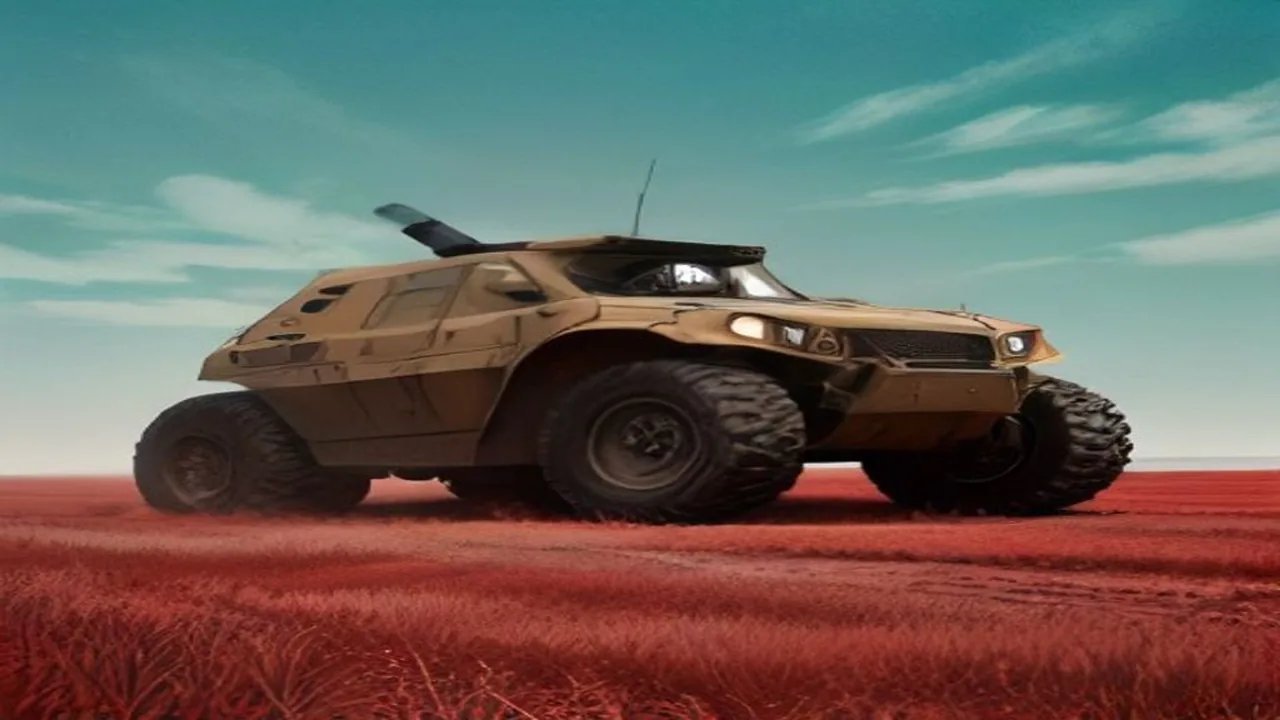
Forterra, a U.S.-based autonomous vehicle builder, has deployed more than 100 of its self-driving ATVs in Ukraine’s conflict zones over the past nine months. The company claims this is the largest deployment of autonomous ground vehicles in combat by any U.S. defense tech firm. These vehicles are being used to navigate hazardous environments and transport supplies, reducing the risk to human operators.
The deployment of Forterra’s autonomous vehicles comes as part of a broader effort to integrate AI and automation into military operations. The company’s Lancer vehicles, based on Polaris ATVs, are gas-powered and can carry up to 750 kilograms of cargo, making them more versatile than battery-powered alternatives. Ukraine is also developing its own uncrewed ground vehicles, but these are limited to carrying 250 kilograms of cargo.
Forterra’s vehicles have already driven more than 2,500 kilometers in Ukraine since their arrival last October. The company’s CEO, Scott Sanders, has emphasized the challenges of adapting autonomous systems for combat, noting that many tasks require specialized capabilities not available in open-source models. These include navigating minefields and operating in unpredictable environments.
The use of autonomous vehicles in combat introduces new challenges related to cost, system reliability, and governance. While these vehicles reduce risk to human operators, they also require significant investment in maintenance and upgrades. Market reactions have been mixed, with some observers questioning the long-term viability of autonomous systems in high-intensity conflict zones.
As Forterra continues to expand its deployment, the military and defense sectors are closely watching the performance of autonomous systems in real-world combat scenarios. The success or failure of these vehicles could influence future investments in AI-driven military technology and reshape the landscape of modern warfare.