Tech entrepreneurs are turning the world into a testing ground for 'physical AI' with robot applications
Investors are pouring trillions into AI chatbots, but a new wave of startups is focusing on world models that teach AI systems and robots to interact with physical environments. This shift is redefining the scope of AI research.
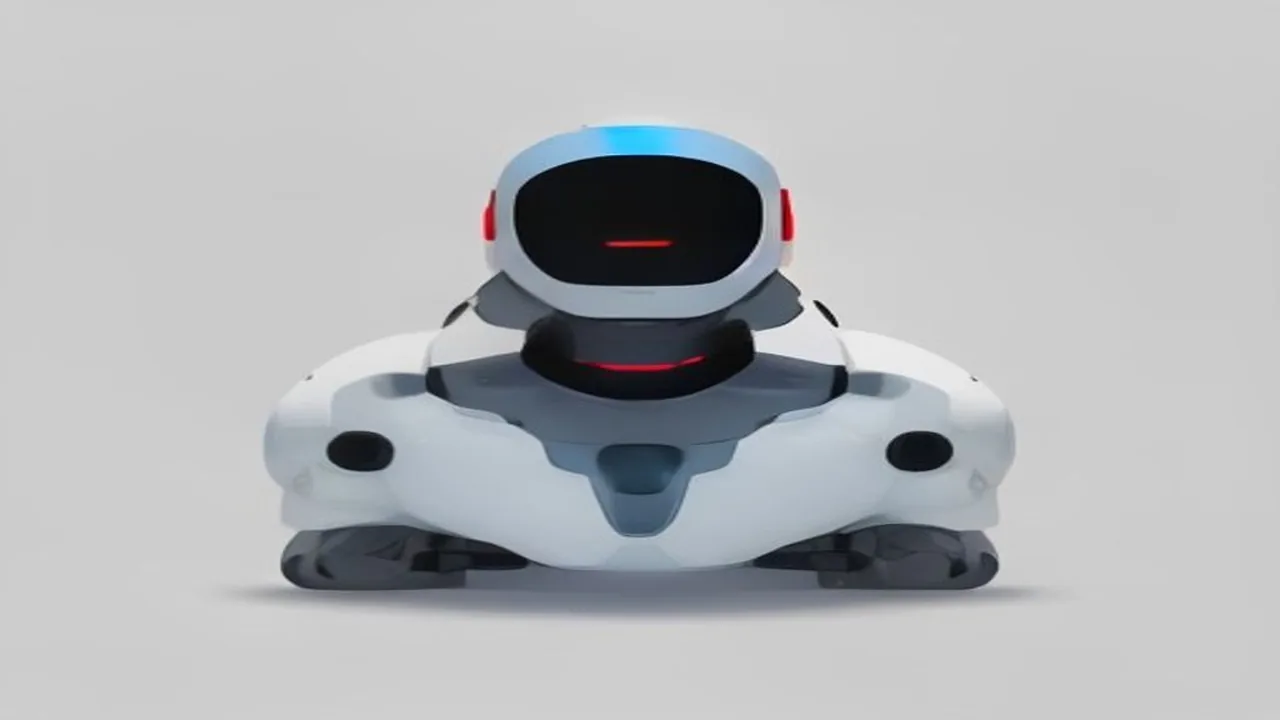
A new generation of tech entrepreneurs is redefining artificial intelligence by focusing on 'physical AI'—systems that enable robots to interact with and adapt to the real world. This approach moves beyond traditional language models and into the realm of 'world models,' which aim to teach AI how to perceive and respond to physical environments with the same depth as humans.
The shift reflects a growing belief that true AI intelligence must extend beyond text and into the physical world. Researchers argue that AI systems should not only understand language but also interpret spatial relationships, light, physics, and object interactions. This has led to a surge of innovation in robotics, autonomous systems, and AI-driven automation.
While major investments continue to flow into AI chatbots, a parallel movement is gaining momentum. Entrepreneurs and scientists are developing 'world models' that allow AI to simulate and interact with physical environments. These models are seen as a critical step toward creating AI systems that can operate in complex, real-world settings, from manufacturing to healthcare.
The rise of physical AI is reshaping the tech landscape, with implications for cost, vendor lock-in, and governance. As companies invest heavily in specialized hardware and software ecosystems, they face challenges related to integration, scalability, and long-term maintenance. Market reactions are also evolving, with investors and regulators closely watching how these systems are deployed and regulated.
This shift toward physical AI marks a pivotal moment in the evolution of artificial intelligence. While the field is still developing, the focus on world models and robot applications is opening new frontiers in AI research and application. As the technology matures, its impact on industries and society will likely grow, with far-reaching consequences for innovation and automation.