OpenAI avoided a costly court loss to Elon Musk, but neither side is unscathed
The trial revealed tensions over AI governance and corporate control. OpenAI remains on track for a major IPO despite legal challenges. Musk's claims of betrayal could affect future partnerships.
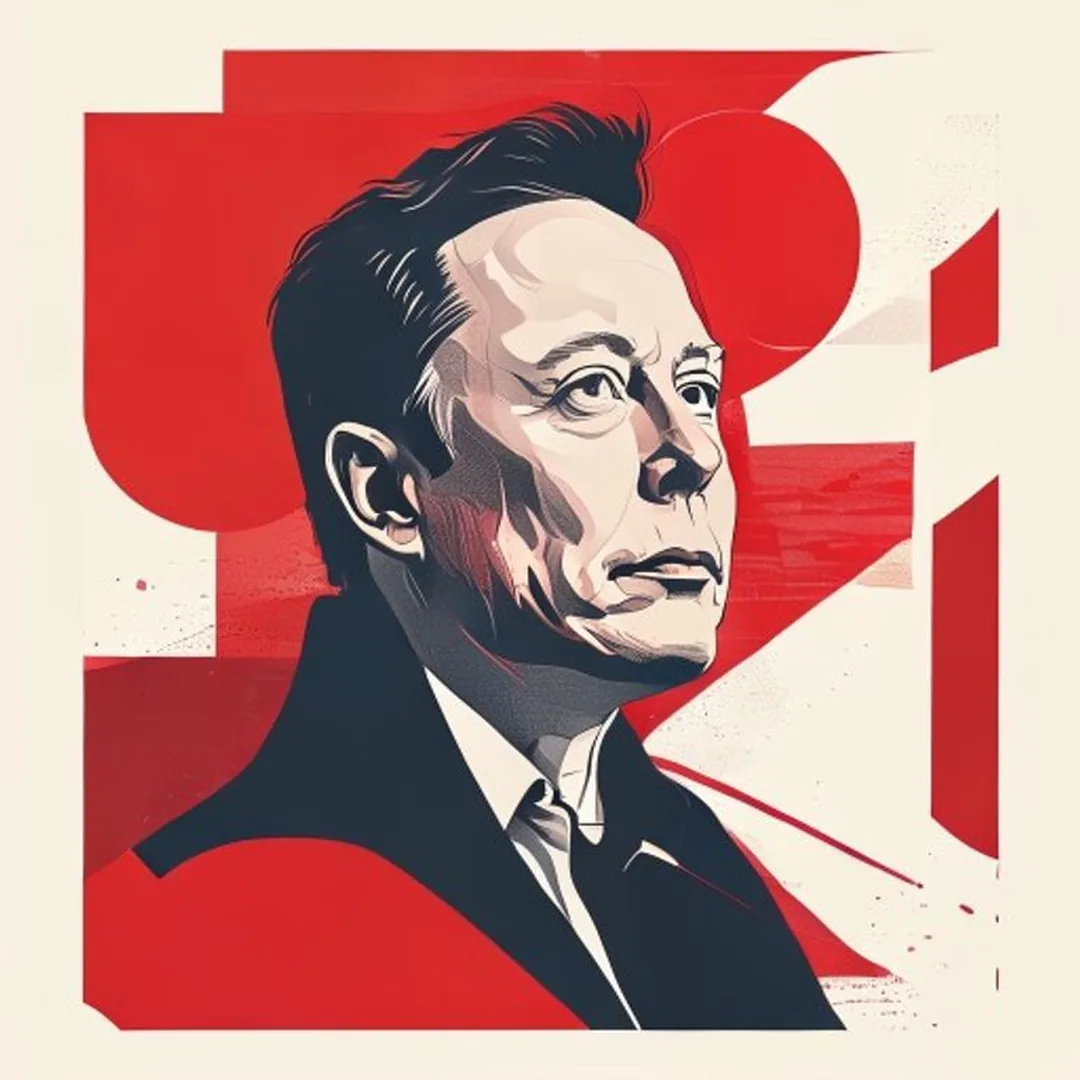
OpenAI's recent legal victory against Elon Musk has left both parties with lingering consequences. The trial, which centered on Musk's claims of betrayal and OpenAI's governance, underscored the complex dynamics between the company's leadership and its most prominent external backer. While OpenAI emerged from the courtroom unscathed, the legal battle exposed fractures within the organization and raised questions about its long-term strategy. The outcome has not resolved the underlying tensions but has instead set the stage for further disputes and negotiations.
The trial took place against the backdrop of growing concerns about the influence of billionaires in shaping the future of artificial intelligence. As one of the few entities capable of steering the development of transformative technology, OpenAI finds itself at the center of a high-stakes power struggle. The case involved not only Musk but also other key figures, including OpenAI's former and current leadership, and highlighted the broader implications of corporate governance in the AI sector. The trial's outcome has not only affected the immediate parties but has also sent ripples through the broader tech industry.
In 2023, OpenAI faced a pivotal moment when its co-founder, Sam Altman, was temporarily removed from the board before returning shortly after. This event, which occurred amid a broader legal and governance battle, underscored the precarious balance between OpenAI's leadership and its external stakeholders. The trial also revealed the extent of Musk's financial commitment to the company, including a $38 million donation in 2024 that he later claimed was exploited. These developments have cast a long shadow over OpenAI's future, particularly as it prepares for what could be one of the largest initial public offerings in history.
The legal battle has had tangible consequences for both OpenAI and Musk. For OpenAI, the trial has raised concerns about potential reputational damage and the long-term effects on its relationships with investors and partners. The exposure of internal disputes and governance issues may complicate its path to an IPO and could lead to increased scrutiny from regulators and the public. For Musk, the loss in court has not only been a financial setback but also a symbolic defeat in his ongoing efforts to assert control over the AI landscape. The outcome may influence his future interactions with OpenAI and other tech companies, potentially altering the dynamics of corporate partnerships in the sector.
As the trial concludes, the broader implications for the AI industry remain uncertain. The case has highlighted the challenges of balancing corporate interests with the public good, particularly in a field as influential as artificial intelligence. The outcome may encourage other stakeholders to take a more active role in shaping the governance of AI, potentially leading to new regulatory frameworks or industry standards. While the immediate legal battle has reached a resolution, the long-term effects on OpenAI, Musk, and the AI sector as a whole are still unfolding.
Sources
- https://arstechnica.com/tech-policy/2024/08/openai-wouldnt-exist-without-me-elon-musk-says-reviving-lawsuit/
- https://arstechnica.com/tech-policy/2026/05/elon-musk-loses-trial-accusing-sam-altman-openai-of-stealing-a-charity/
- https://economictimes.indiatimes.com/tech/technology/openai-avoided-a-costly-court-loss-to-elon-musk-but-neither-side-is-unscathed/articleshow/131190530.cms
- https://economictimes.indiatimes.com/topic/cornell-university
- https://economictimes.indiatimes.com/topic/openai
- https://economictimes.indiatimes.com/topic/openai-co-founder