Jury rules against Elon Musk in his feud with OpenAI, saying he filed his lawsuit too late
The verdict followed 11 days of testimony in Oakland, California. Musk had accused OpenAI and its leaders of breaching a shared vision for artificial intelligence. The jury found his claims untimely.
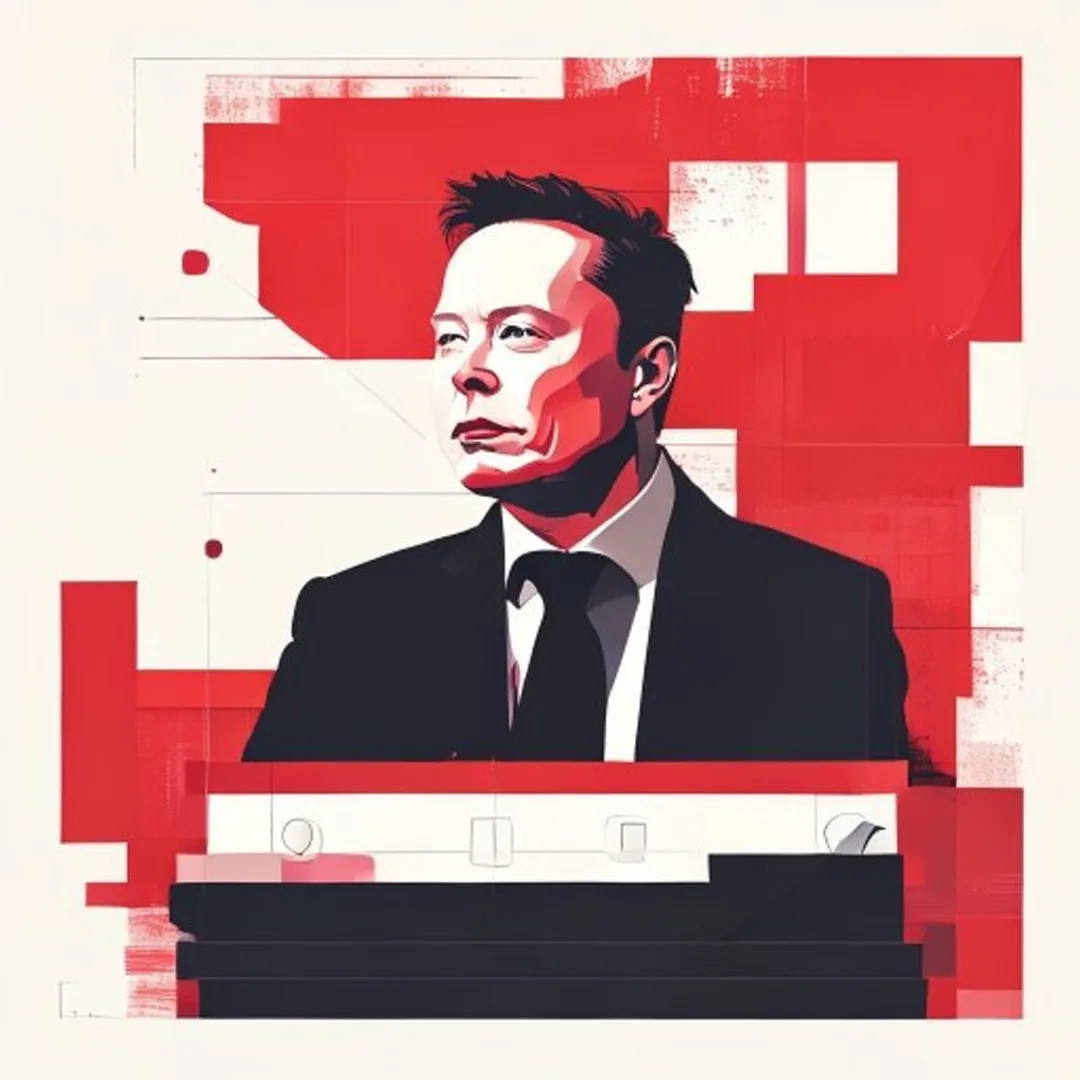
A U.S. jury in Oakland, California, ruled unanimously against Elon Musk in his lawsuit against OpenAI and its executives. The trial, which lasted 11 days, centered on Musk’s allegations that OpenAI, its CEO Sam Altman, and President Greg Brockman had manipulated him into investing $38 million before later betraying their shared vision for artificial intelligence. The jury concluded that Musk had filed his case too late, dismissing his claims as untimely.
The legal battle, which had drawn significant attention from the tech and legal communities, was seen as a pivotal moment for OpenAI’s future. Musk had argued that OpenAI’s shift toward a for-profit model in 2019, following his departure from the board in 2018, violated their original agreement. However, the jury found that the timeline of events and the clarity of the facts supported the dismissal of his claims.
In 2024, Musk filed the lawsuit, alleging that OpenAI had misled him about the company’s direction and financial arrangements. The case was marked by intense scrutiny of both Musk and Altman, with their credibility repeatedly challenged during the trial. Microsoft, a major backer of OpenAI, expressed support for the jury’s decision, stating that the facts and timeline had been clear for some time.
The ruling has significant implications for corporate governance and legal strategies in high-stakes disputes. It underscores the importance of timely legal action and the potential consequences of delayed claims. For companies involved in complex partnerships, the case serves as a reminder of the need for clear contractual terms and the risks of litigation based on ambiguous timelines.
Musk’s legal team has indicated they may appeal the decision, but the judge suggested that the path forward would be challenging. The outcome of the trial could influence future disputes involving AI companies and their stakeholders, particularly in cases where allegations of breach of trust or mismanagement are at the core of the legal battle.
Sources
- https://economictimes.indiatimes.com/tech/artificial-intelligence/elon-musk-loses-lawsuit-against-openai/articleshow/131183041.cms
- https://techcrunch.com/2026/05/18/elon-musk-has-lost-his-lawsuit-against-sam-altman-and-openai/
- https://www.bbc.com/news/articles/cewpyv79pw1o
- https://www.cnbc.com/2026/05/18/musk-altman-openai-trial-verdict.html
- https://www.livemint.com/technology/jury-rules-against-elon-musk-in-his-feud-with-openai-saying-he-filed-his-lawsuit-too-late-11779126917433.html
- https://www.reddit.com/r/OpenAI/comments/1tgv8rj/elon_musk_lost_his_lawsuit_against_sam_altman_and/