Lawyers closed arguments in the Musk versus OpenAI trial and the AI charitable-trust question moved to the jury
Closing arguments Thursday in Oakland. Statute of limitations is the first jury question. Charitable trust and unjust enrichment claims follow. Microsoft is a co-defendant. The judge has signalled what happens if the timing claim fails.
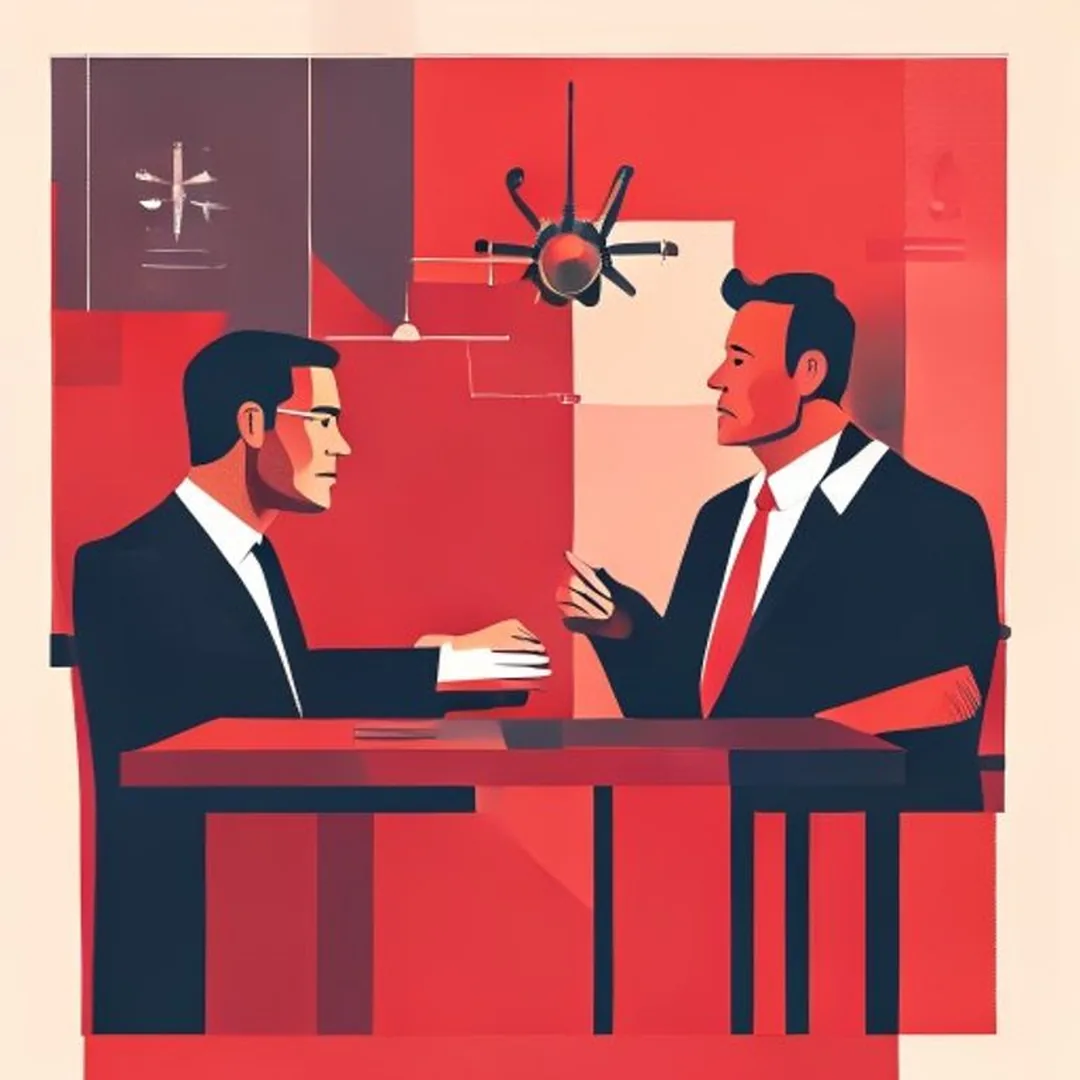
Lawyers for Elon Musk and OpenAI began closing arguments on Thursday in the landmark trial in Oakland whose outcome could shape how artificial intelligence companies are structured for the rest of the decade. The case is about who owned the original intent of OpenAI when the company was founded in 2015, what changed when it added a moneymaking arm, and whether the change broke a charitable trust that Musk says existed.
The factual backbone is unusually clean for a high-stakes tech-industry dispute. Musk was a co-founder of OpenAI. He invested $38 million in the company's first years. His lawsuit was filed in 2024 and accuses OpenAI CEO Sam Altman and his top deputy of shifting into a moneymaking mode behind his back. The trial has spent much of its time on the company's early years after its 2015 founding, when the original non-profit posture was still the operative legal frame for the organisation.
The first question in front of the jury is procedural but decisive. The jurors have to decide whether Musk filed his lawsuit in time. OpenAI has argued that he waited too long and cannot claim harms that occurred before August 2021, which is the statute-of-limitations cutoff under the relevant law. The judge wrote in a court filing last month that if the jury finds Musk failed to file his action within the statute of limitations, it is highly likely she will accept that finding and direct verdict to the defendants. In other words, if the timing claim fails, the rest of the case ends with it.
If the timing claim survives, the jury moves to the substance. They have to decide whether OpenAI had a charitable trust and whether OpenAI and its executives broke that trust. Musk's second claim is unjust enrichment — the jurors have to decide whether Altman, Greg Brockman as co-founder and president, and OpenAI itself unjustly enriched themselves at Musk's expense. Microsoft is a co-defendant in the trial. The jury has to decide whether Microsoft aided and abetted the alleged breach.
Musk himself was not in the courtroom on Thursday. His attorney Steven Molo told jurors that the Tesla CEO is sorry he could not be there; the plaintiff was travelling abroad. The optics of the moment — closing arguments in a charitable-trust case while the plaintiff is on a separate corporate agenda — are the kind of detail trial lawyers prefer their clients did not produce, but the actual case is being decided on documents and testimony rather than presence in the room.
The wider stakes sit above the legal question. If the jury finds that OpenAI had a charitable trust and that the trust was broken, the precedent reaches every other AI company that started inside a non-profit frame and migrated to a for-profit arm. Anthropic's public benefit corporation status sits in a different legal place, but the doctrinal questions in the trial — what a 'mission' looks like when it is also a corporate structure, what fiduciary obligations attach to founders of an AI lab — will be cited the next time any AI company restructures.
For observers outside the courtroom's jurisdiction, the case is a reference point rather than a direct precedent. Other jurisdictions that fund public AI research do not have an equivalent non-profit-to-for-profit conversion story sitting in active litigation. The doctrinal posture being argued in Oakland — that an early-stage mission statement can produce ongoing fiduciary obligations on the people who signed it — is the kind of argument that translates across jurisdictions when the question of public-funded AI accountability eventually comes up elsewhere.
The closer-in question for the broader AI industry is what happens to the next conversion. Investors weighing AI labs that still carry public-benefit or non-profit framing now have to price the litigation risk that comes with that framing. If OpenAI prevails on the timing claim, the substantive question will still be sitting in legal commentary for years. If the substantive claim ever lands, the entire structure of how AI labs are founded changes. Either way, the jury that returns the verdict in this Oakland courtroom is doing work that reaches well past the parties named in the filing.
Sources
- https://www.thehindu.com/sci-tech/technology/lawyers-for-elon-musk-and-openai-make-their-final-case-in-a-trial-that-could-shape-ais-future/article70981393.ece
- https://www.livemint.com/technology/musk-openai-lawyers-begin-closing-arguments-in-landmark-trial-that-could-shape-ais-future-11778777834157.html